MBA in Operations Management: Building the Backbone of Successful Businesses

In today’s highly competitive and fast-changing business environment, organizations depend heavily on efficient systems, smooth processes, and strategic resource utilization. This is where an MBA in Operations Management plays a vital role. Designed for individuals who want to master planning, production, supply chain, logistics, and quality control, this specialization prepares professionals to manage the core functions that keep businesses running efficiently.
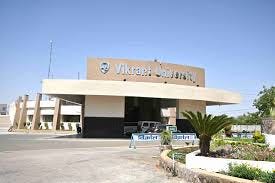
This blog explores the scope, benefits, career opportunities, and future relevance of an MBA in Operations Management, while also highlighting how it compares with other professional paths such as Law Courses in India.
What Is an MBA in Operations Management?
An MBA in Operations Management focuses on designing, managing, and improving business operations. It deals with transforming raw materials, labor, and technology into finished goods or services in the most efficient way possible. Students learn how to streamline processes, reduce costs, improve quality, and ensure timely delivery.
The curriculum typically includes subjects like:
Operations Strategy
Supply Chain Management
Logistics and Distribution
Quality Management
Project Management
Business Analytics
Lean Manufacturing and Six Sigma
This specialization is ideal for individuals who enjoy problem-solving, data-driven decision-making, and optimizing workflows.
Why Choose an MBA in Operations Management?
One of the biggest advantages of pursuing an MBA in Operations Management is its relevance across industries. Every organization—whether manufacturing, retail, healthcare, IT, or e-commerce—needs skilled operations professionals.
Key reasons to choose this program include:
High Industry Demand
Companies constantly seek professionals who can improve efficiency and reduce operational risks.Leadership-Oriented Role
Operations managers often work closely with top management, making this a strategic and influential position.Strong Career Stability
Unlike some roles that fluctuate with market trends, operations remains a core business function.Global Opportunities
With globalization and complex supply chains, operations professionals are needed worldwide.
Top Institutes Offering MBA in Operations Management
India is home to several prestigious institutions offering strong management programs. Renowned institutes such as Indian Institute of Management Ahmedabad and Indian Institute of Management Bangalore are known for their rigorous curriculum and industry-focused approach to operations and supply chain management.
These institutes combine theoretical knowledge with live projects, case studies, and industry internships, ensuring graduates are job-ready.
Career Opportunities After MBA in Operations Management
Graduates with an MBA in Operations Management can explore diverse roles, including:
Operations Manager
Supply Chain Manager
Production Planning Manager
Quality Assurance Manager
Logistics Manager
Project Manager
Business Process Consultant
Industries such as manufacturing, FMCG, IT services, healthcare, e-commerce, and infrastructure actively hire operations specialists. With experience, professionals can move into senior leadership roles like Chief Operations Officer (COO).
MBA in Operations Management vs Law Courses in India
While management and law are both prestigious career paths, they cater to different interests and skill sets. Law Courses in India focus on legal frameworks, judicial processes, corporate law, criminal law, and constitutional studies. Students pursuing law often aim for careers as advocates, legal advisors, corporate lawyers, or judicial officers.
In contrast, an MBA in Operations Management is more business-oriented and practical. It emphasizes efficiency, strategy, analytics, and execution. Professionals in operations work directly on improving organizational performance rather than interpreting or enforcing legal frameworks.
However, both fields share common traits:
Strong analytical thinking
Decision-making responsibility
High professional respect
Long-term career growth
Students who are interested in governance, compliance, and justice may prefer Law Courses in India, while those inclined toward business optimization and leadership often choose operations management.
Skills Developed During an MBA in Operations Management
This specialization helps students build a powerful skill set, including:
Process optimization and workflow design
Data analysis and forecasting
Vendor and inventory management
Risk assessment and problem-solving
Team leadership and cross-functional coordination
These skills are transferable and valuable even if professionals decide to switch industries later in their careers.
Future Scope of MBA in Operations Management
The future of operations management is being reshaped by technology. Automation, artificial intelligence, data analytics, and digital supply chains are transforming how businesses operate. Professionals with an MBA in Operations Management who understand both traditional processes and modern technologies will be highly sought after.
Sectors such as renewable energy, smart manufacturing, healthcare logistics, and global e-commerce are expected to create significant demand for operations experts in the coming years.
Choosing the Right Career Path
Selecting between an MBA in Operations Management and Law Courses in India depends entirely on personal interests and long-term goals. If you enjoy business strategy, efficiency, and leadership, operations management offers a dynamic and rewarding career. If your passion lies in legal reasoning, advocacy, and policy, law may be the right choice.
Both paths require dedication, continuous learning, and ethical responsibility, and both can lead to successful and respected careers.
Conclusion
An MBA in Operations Management is a powerful qualification for individuals who want to play a strategic role in shaping how organizations function and grow. With strong industry demand, diverse career opportunities, and global relevance, this specialization offers excellent long-term value.
At the same time, professional options like Law Courses in India continue to attract students interested in legal systems and justice. By understanding your strengths, interests, and career vision, you can choose the path that best aligns with your future aspirations and professional success.